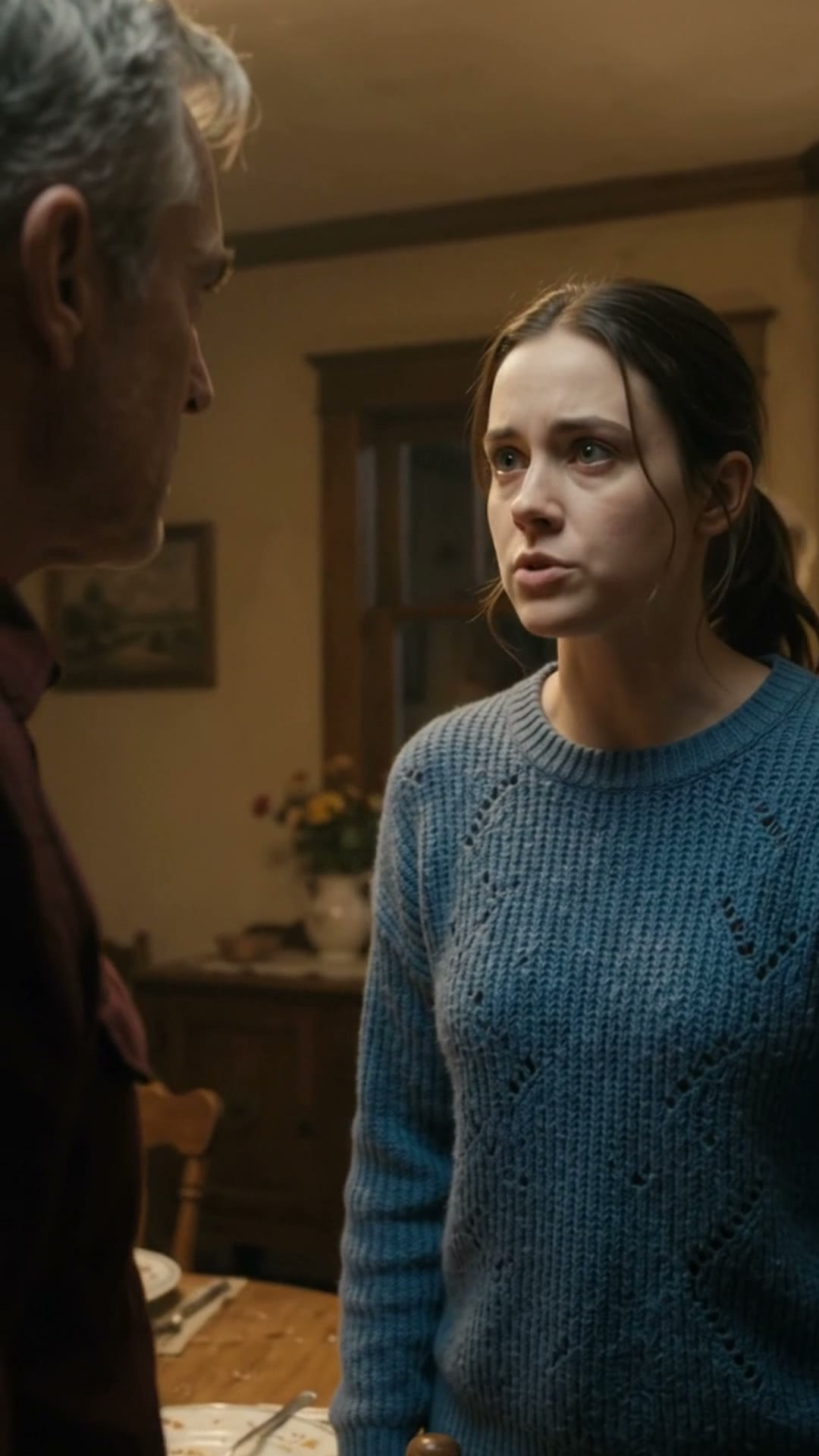
"You join his church, or this family doesn't come to the wedding!"
Dad swept the bread basket off the supper table. It hit the wall below the sideboard. My fiancé was outside calling his parents when Dad gave me the condition he had saved until after the meal.
I was thirty. Daniel and I had spent months discussing faith, holidays and what we would tell children if we had them. We had found an officiant willing to help us plan a ceremony neither of us had to pretend to believe in. Dad knew all of that. He had said he wanted us to be happy.
Now he said a wedding without my conversion would embarrass our relatives. He said Grandma Miriam would be ashamed, though she had not said a word against the plans herself.
"We've agreed what we believe. You don't get to trade our vows."
Grandma came from the kitchen doorway carrying the small player she had brought to share recordings after supper. She put it on the sideboard and looked at Dad.
"Robert, shall we hear what you asked me before your wedding?"
Dad said yes, after a long pause. Grandma found the recording with him, not by playing random private conversations at a table. It was a family cassette they had made when his older brother was working abroad and could not come home for the wedding.
Young Dad was explaining the ceremony he and Mom had chosen. They belonged to different churches. Neither would convert. He said he wanted his brother to understand that choosing each other was not choosing which side of the family mattered less. Then he thanked Grandma for coming even though she had needed time to think about it.
I knew my parents had not always attended the same church. I did not know Dad had once needed his own mother to stop making attendance the price of agreement. I had heard the account as a charming story about two people finding a compromise, without the part where a parent had made it difficult.
Dad tried to say the circumstances were different. They were, in some ways. Daniel and I were making a different ceremony, not repeating my parents' exact arrangement. Grandma said the recording did not give us instructions for a wedding. It showed the promise she had eventually made: she could disagree without making her presence into a threat.
Dad said he worried that the family would lose its traditions. I asked which traditions he wanted us to discuss and which he wanted us to obey before he would discuss anything. He could tell me why a prayer mattered. He could not use my wedding guests as a vote on my conscience.
Daniel came back inside. I told him what had been said and asked whether he wanted to join the conversation. He did. He explained that his own parents had questions too, and that we had answered them together. Neither set of relatives would get a secret second version of the ceremony if they pressured the other partner enough.
We ended supper without settling every question. Dad did not apologize before we left. Grandma sent us home with the remaining bread and said she would be there, whatever he decided. She did not offer to replace him or turn an old tape into a contest over who loved me more.
A week later Dad rang. He said he had listened to the recording again. He still found our plans strange. He also remembered being frightened that his own mother would not come. He said he would not make me keep asking whether a seat should be left empty for him.
At the wedding he came on time. He stood when the guests were asked to stand and stayed quiet during words he would not have chosen. Nobody required him to announce a change in belief. We required him to stop treating ours as an act of aggression.
We still have conversations about holidays. They go better when everybody remembers that an invitation is not a surrender of the right to decide.
Would you have kept discussing the ceremony after that ultimatum, or stopped sharing the plans until the wedding day?