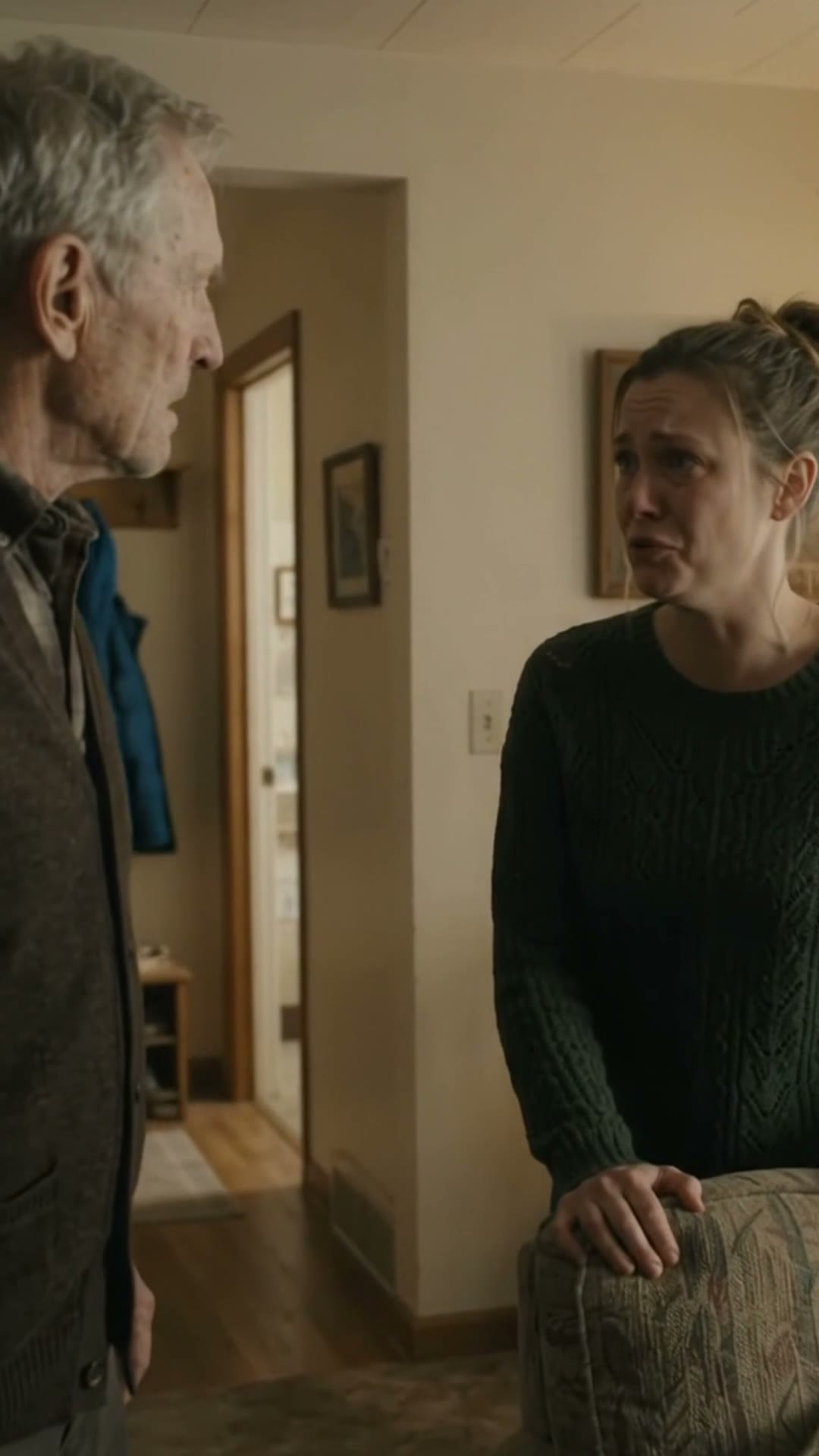
"Two years is enough! Get his things out of this house!"
Dad shoved the empty storage carton off my coffee table. It skidded under the curtains. My husband's coat was still hanging by the back door, where Lucy put it after our last walk together.
Sam had died two years earlier. I had sorted many of his things, given away clothes and made room for the life my daughter and I were living now. A few things stayed. The coat was one of them. Lucy sometimes sat with it when she wanted to talk about him. I sometimes did too.
Dad had come to help move a bookcase. Instead, he started telling me that keeping anything meant I was refusing to recover. He said Lucy needed a normal home, as if remembering her father made ours abnormal.
"This is my house, Dad. I decide what we're ready to move."
Lucy had been drawing in the hall. When the room went quiet, she came to my side. She looked at the carton, then at Grandpa.
"Grandpa, why do you keep the blue coat behind your door?"
Dad sat down. The blue coat had belonged to my mother. She had died eleven years earlier. He still kept it on the back of his bedroom door, behind his dressing gown. Lucy knew because he had shown her its wide wooden buttons when she stayed with him the previous month.
I had not seen it in years. I assumed he had given it away when he cleared her wardrobe. He said he had cleared most of her clothes, not all of them. Some mornings he still touched the sleeve before going downstairs. He had told Lucy it helped him remember a person without needing to explain the feeling.
Lucy had not been trying to win an argument. She thought Grandpa might want his own coat nearby if we were putting Sam's into a box. She was offering the sort of comfort he had already taught her to understand.
I asked why her father's coat meant we were stuck when my mother's coat could simply be part of his room. Dad said he worried that I was lonely. He had seen friends retreat after a death and was afraid the same thing would happen to me. That fear was real. His certainty about what my house ought to contain was not.
We talked without asking Lucy to carry the whole conversation. I told her she had done nothing wrong, and she went back to her drawing when she wanted to. Adults could discuss their mistake without making a nine-year-old responsible for resolving it.
Dad apologized for moving the carton in anger. He said he had wanted to push me toward the future and had ended up treating the past like a contaminant. I told him I could enjoy a school concert, start a new job and still keep one coat. Grief was not a room inspection he could pass or fail for me.
The coat stayed. A few months later Lucy asked whether we could put it in a breathable storage bag because she wanted hooks for her sports things. We chose a shelf together. That change was not proof that Dad had been right to shout. It was a decision made when the people who lived with it were ready.
Dad still has the blue coat. Once, while visiting, I asked whether he wanted help moving it. He said no. I said all right, and we went downstairs for tea. It was a small answer, but it gave him the respect he had briefly forgotten how to give me.
We can ask one another how we are coping. We can suggest company or support. We cannot measure a person's love for the living by counting how many possessions remain from someone who died.
I moved the carton back beside the shelves. It could hold books later; it did not need to become a threat.
Would you have let him help with the bookcase after that apology, or asked him to leave for the afternoon?