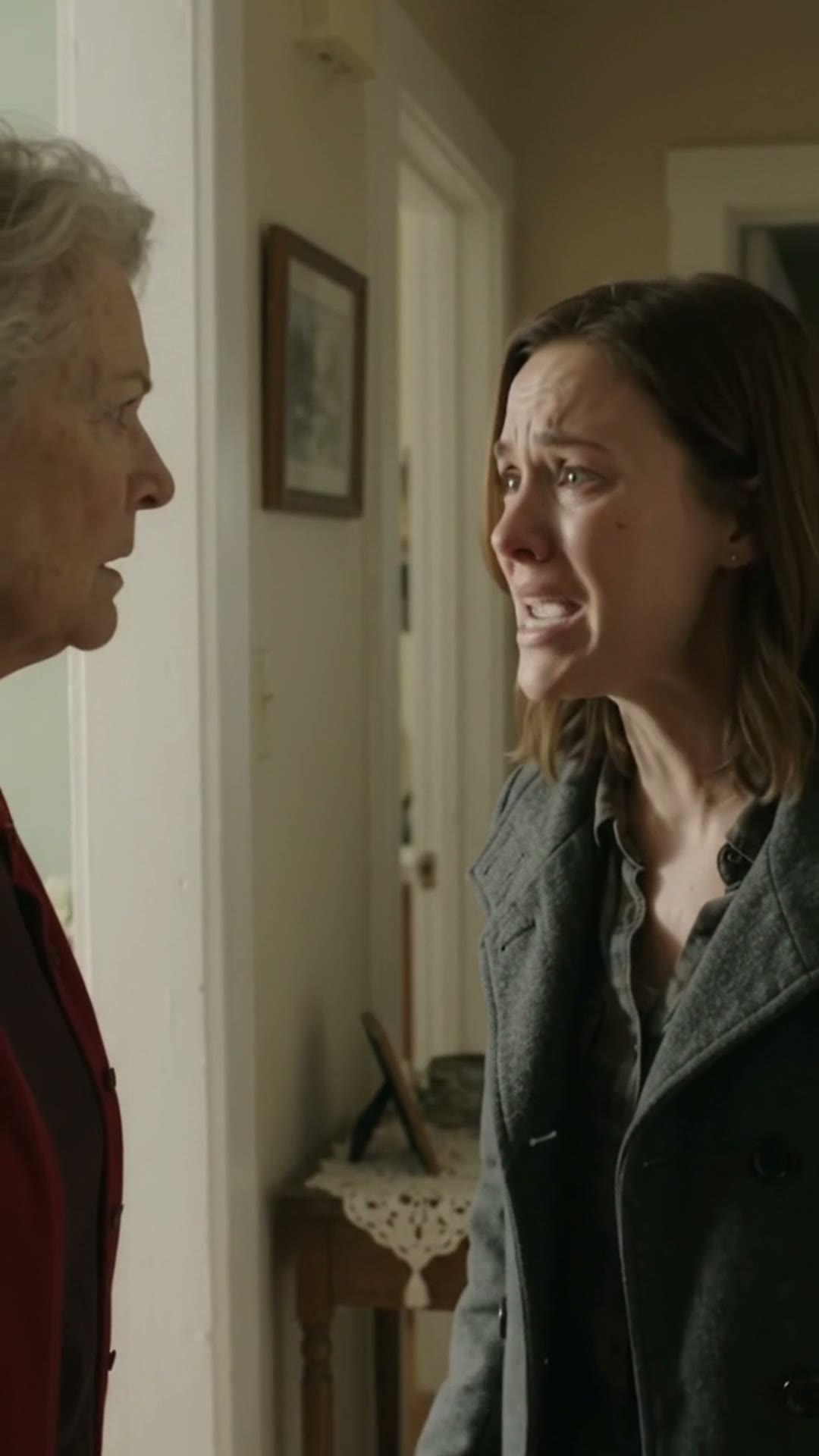
"Don't upset him! He doesn't even want to see you!"
Mom knocked the lunch box off her hallway shelf. I had come to collect Oliver after another cancelled visit. My broken leg was healing, I could manage at home with the help we arranged, and I wanted my son to stop being passed between explanations I never heard directly.
He had stayed with Mom while I recovered from an accident. I was grateful for the help. We agreed I would call each evening and visit when transport was possible. Gradually calls became awkward times, visits became too tiring for him, and Mom said I ought to respect that he was settled.
I asked to speak with him alone. She said he did not want it. She said I would make him feel guilty if I kept asking, and that a good mother would not put her own feelings first.
"Then let him tell me. I've been asking to visit for weeks."
Oliver came out with his backpack once the hall was quiet. He looked at my leg, then up at my face.
"Mom, did you really throw my birthday picture away?"
I told him I had never received it. He said Grandma helped him draw a picture of our old birthday picnic. When I did not mention it on the phone, she told him I must have thrown it away because I was busy with my own life. He thought asking to visit would only make me feel forced to take him back.
I did not ask him to prove every word or repeat it in front of Grandma. I said I wanted to see him, I had been asking to see him, and I was glad he told me what worried him. He could love his grandmother and still talk to me about something confusing.
Mom said she had only been trying to prepare him for disappointment. I asked what disappointment required her to invent a picture I had discarded. She could not explain it without admitting that she wanted him to keep staying. The house felt empty when she imagined our temporary arrangement ending.
That feeling did not make her care worthless. She had cooked, done school runs and helped through a difficult few weeks. It also did not give her permission to make my child believe I no longer wanted him so that he would ask fewer questions about going home.
Oliver came home that day under the practical arrangement we had already made. My sister helped with journeys while I finished recovering. I kept the routine predictable and gave him room to ask questions without turning every conversation into a test of which adult he believed.
We found the picture in a drawer at Mom's house when she returned his remaining things. I put it where Oliver asked me to, beside the kitchen calendar. I did not call that proof he should never trust Grandma again. I told him adults sometimes make wrong choices and are responsible for putting them right.
For a while, I stayed with them during Mom's visits. She apologized to Oliver in simple words, without saying she lied because she loved him too much. She told him I had not thrown anything away and that she should have helped us speak directly.
It took longer for me to decide what help I could accept from her again. I stopped agreeing to arrangements whose details could change through private messages I never saw. We used clear dates and spoke ourselves about any change.
I can thank her for caring for him during my recovery without pretending that gratitude requires me to ignore what happened afterward. He needed a temporary place to stay, not a story about a mother who had stopped wanting him.
Would you have resumed ordinary visits after that apology, or kept them supervised for much longer?