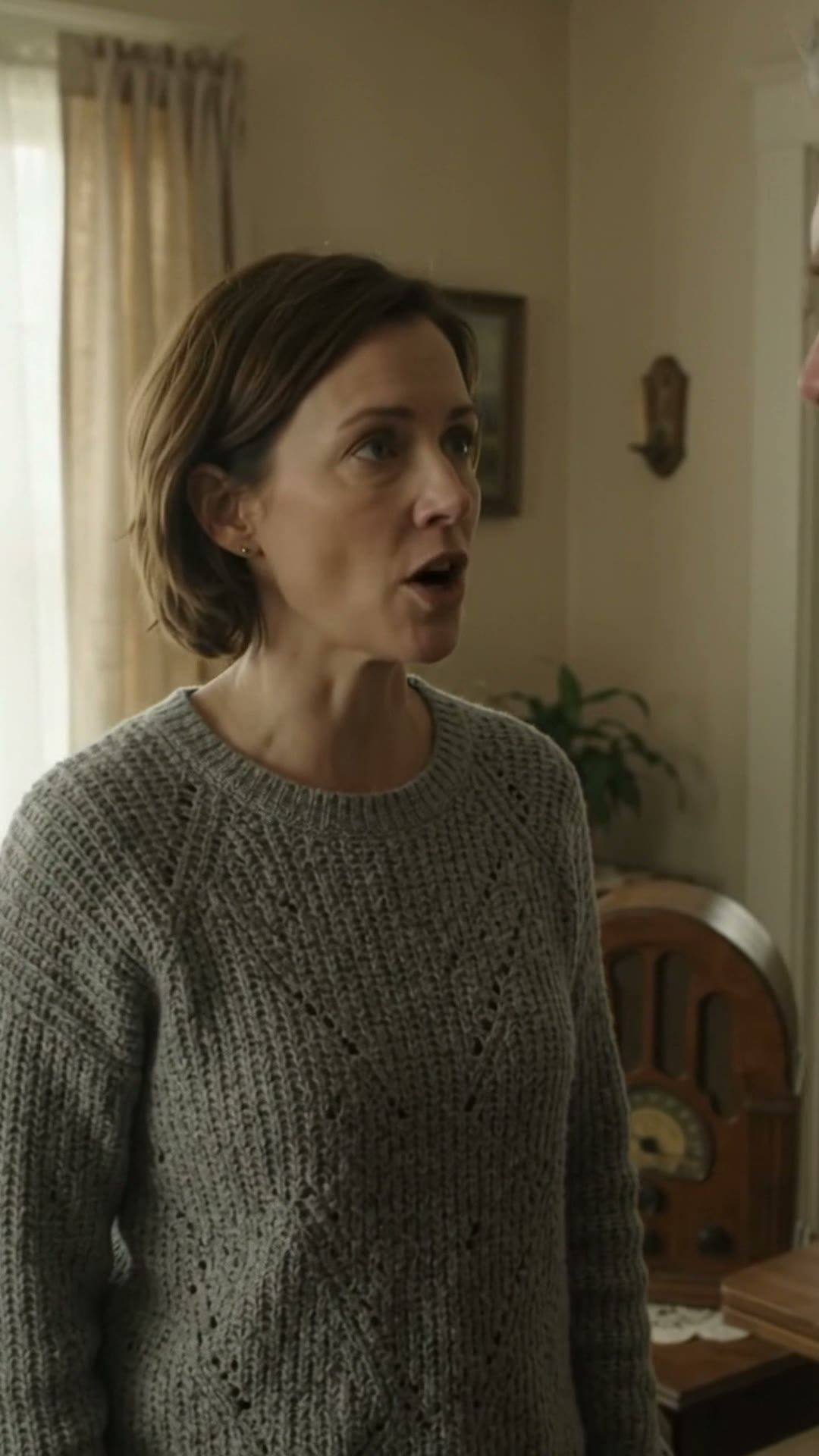
"Stop mumbling! You ignore me and then pretend I'm the difficult one!"
Harold knocked the remote tray off the table. I stood by the sofa, waiting for the shouting to stop. I had answered his question twice. He said I enjoyed making him repeat himself, as if an ordinary conversation had become a trick I played on him.
We were both in our seventies. He had been having difficulty hearing for a while. I tried facing him, reducing background noise and asking what helped. Some days we managed well. Other days he insisted everybody spoke badly and that I was deliberately leaving him out.
He had attended an appointment and told us the device offered was no use, so he returned it. I believed him. I did not know what the next step should be, but I knew I could not keep accepting blame whenever an answer failed to reach him.
"I'm answering you. Please stop shouting before we talk again."
Our son Luke came in from moving the old radio cabinet. He had a small closed case in his hand.
"Dad, shall I open what I found behind your radio?"
The hearing aid was still inside. Harold had not returned it. He tried it briefly, disliked how it felt and worried that wearing it made him look older. Instead of discussing those difficulties with the professional who fitted it, he hid the case and told us the process was over.
Luke did not put it into his father's ear or claim that one device would solve every problem. He set the case down and asked what had made the experience difficult. Harold said some sounds felt unfamiliar and that he hated needing help with something he once did without thinking.
I could understand both feelings. I could not accept being described as cruel because he had chosen to hide the part of the account that might let us discuss them honestly. I was willing to change how we spoke. I was not willing to be accused of withholding words he had not heard.
Harold apologized for saying I ignored him. I asked him to stop bringing my character into a problem about communication. If he missed an answer, he could say so. I could repeat it. Neither of us needed to turn a missed sentence into a verdict on forty years of marriage.
He arranged another appointment to discuss the fit, the settings and the options available to him. I went only because he asked. Luke helped with transport, not with deciding what treatment his father had to accept. Harold remained the person making those choices, with the responsibility to be honest about what he tried and what he found difficult.
Things improved gradually, not the moment the case appeared. We learned which arrangements made conversation easier and which places remained tiring. Sometimes we took a break rather than trying to finish an argument while neither person was understanding the other.
I also kept a boundary about shouting. A real difficulty did not make every response harmless. If he began accusing me again, I ended the conversation until we could try calmly. He learned to notice the frustration before it became an accusation more often than he once had.
The case stays beside his chair now, not behind the radio. Some days he uses the aid longer than others. I am glad we can talk about that without pretending he returned it or pretending I was the reason he could not hear.
I also asked Luke not to joke about catching his father out. Finding the case mattered because it let us discuss the truth. Turning that discovery into a family punchline would only give Harold another reason to hide what he found difficult.
Would you have attended the next appointment with him, or wanted him to manage that part independently after the lie?