The lake cabin is mine, Helen! Get out!
My brother-in-law Gary roared it across my living room, then swung his arm over the coffee table. The framed photo of my husband Frank, smiling with a fish on his line, flew off the table and cracked against the floor. The glasses of lemonade went with it, shattering in sticky puddles across the carpet.
It was forty days since we buried Frank, and the whole family had gathered at our house in Dayton, Ohio, for his memorial lunch. Casserole dishes still sat on the sideboard. Frank's old work boots were still by the door. Gary had arrived already loud and half drunk, announcing that the lake cabin their father built was his by right, because he was the real son.
Forty-one years I was married to Frank. I nursed him through every month of that illness, learning to change his dressings, count his pills and doze in a chair beside his bed. Gary visited twice. Now he stood over the shattered frame with his face red, and relatives I had known for decades stared at their shoes while he demanded I hand over the keys.
His wife Donna stood in the kitchen doorway, twisting a dish towel in her hands, and said nothing.
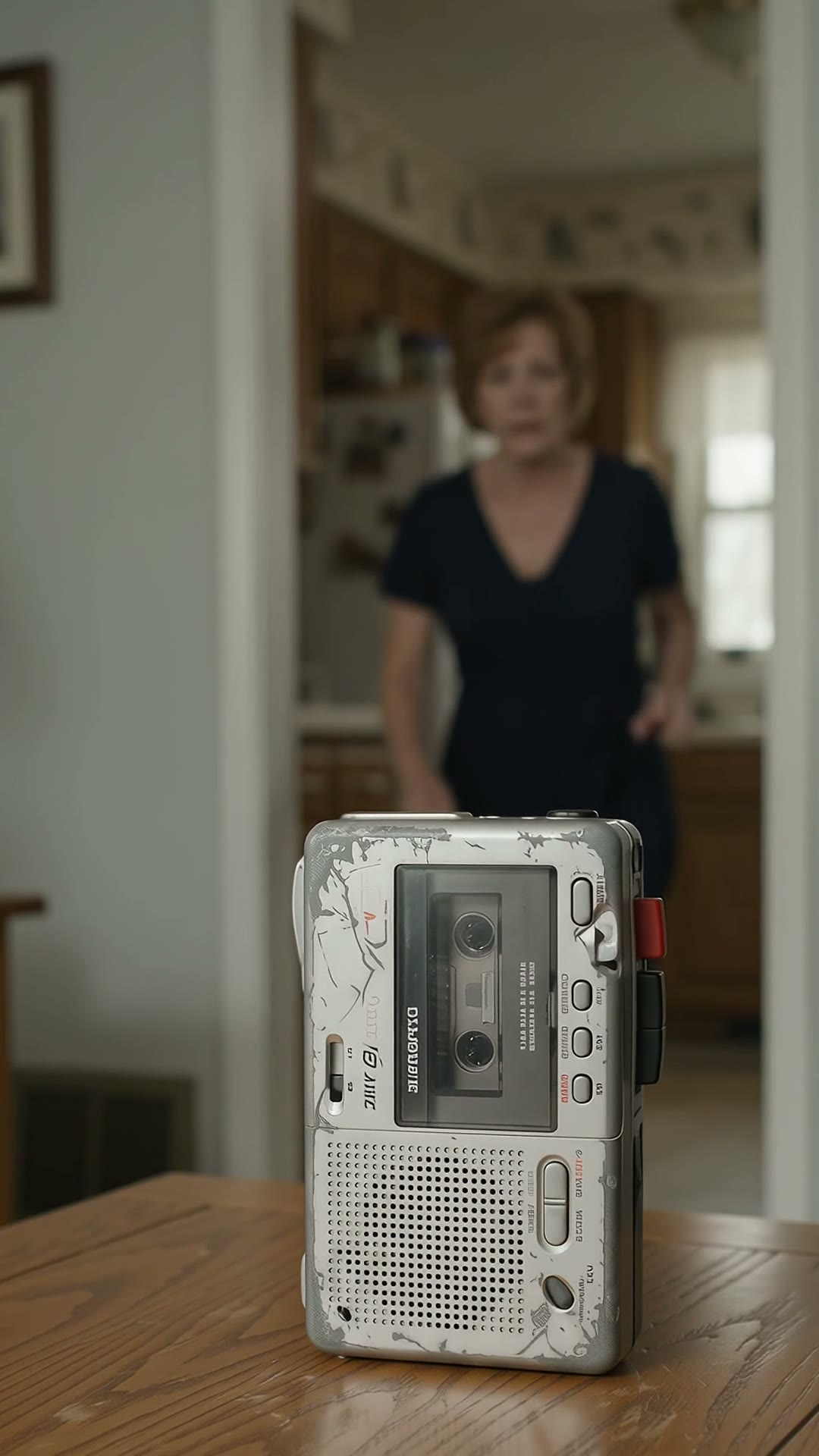
My knees were shaking, but I walked to the bookshelf, took down a battered silver dictaphone, and slammed it onto the table in front of him.
"He told me everything before he died!"
Frank had recorded it himself. Three weeks before he passed, while the morphine made him drowsy, he pressed that old machine into my hands and asked me to keep it safe. I had listened to the tape once, alone, the night after the funeral. I had not told anyone. Frank had said the same thing to me over and over in that hospital bed: "Gary has to know that I know."
Gary's smirk faltered. He reached for the dictaphone, but I was faster, and I pressed the button.
Frank's voice filled the silent room, thin but steady. "Gary, fifteen years ago you sold your share of the lake land to a developer, behind my back and Mother's back. I bought the cabin back from them with my own savings so it would not be bulldozed. The deed is in my name, and the taxes are paid. When I am gone, you will stand at Mother's grave and apologize to her. Not to me. To her."
Donna pushed forward from the kitchen doorway, staring at the little machine, and asked the question that made every head in the room turn toward her husband. "Gary… what's on that recording?!"
Gary did not answer her. He looked around at the relatives who had taken his side all afternoon, and one by one they found something else to look at.
The recording ran for another few minutes. Frank described the dates of the sale, the developer's name and the bank in Dayton where the check had been deposited. When the tape clicked off, the only sound was the ticking of the kitchen clock.
Gary reached into the pocket of his sports jacket and pulled out a fat white envelope. It was the cash the family had collected for Frank's funeral costs, the envelope Gary had volunteered to hold. He set it on the lemonade-stained table.
"Keep it for the funeral," he muttered, and walked out. Donna followed him without looking back.
Two weeks later a letter came from Gary's lawyer. The sale of his share had been reversed, the money repaid with interest, and a written apology was enclosed for what he had done to his brother. The deed to the cabin is still in my name, locked in the safe deposit box at Frank's bank.
Gary has not come to our house since. Donna sent me a card in the spring. She wrote that Gary had driven to the cemetery alone one Sunday and stood at his mother's grave for an hour, and that he had not spoken much since.
The cracked photo frame still sits on my mantle with the glass pressed out, because Frank would have laughed at the fish and at all of us.
So tell me honestly: should Helen have played that recording in front of the whole family, or should she have kept it private and let Gary keep his pride?