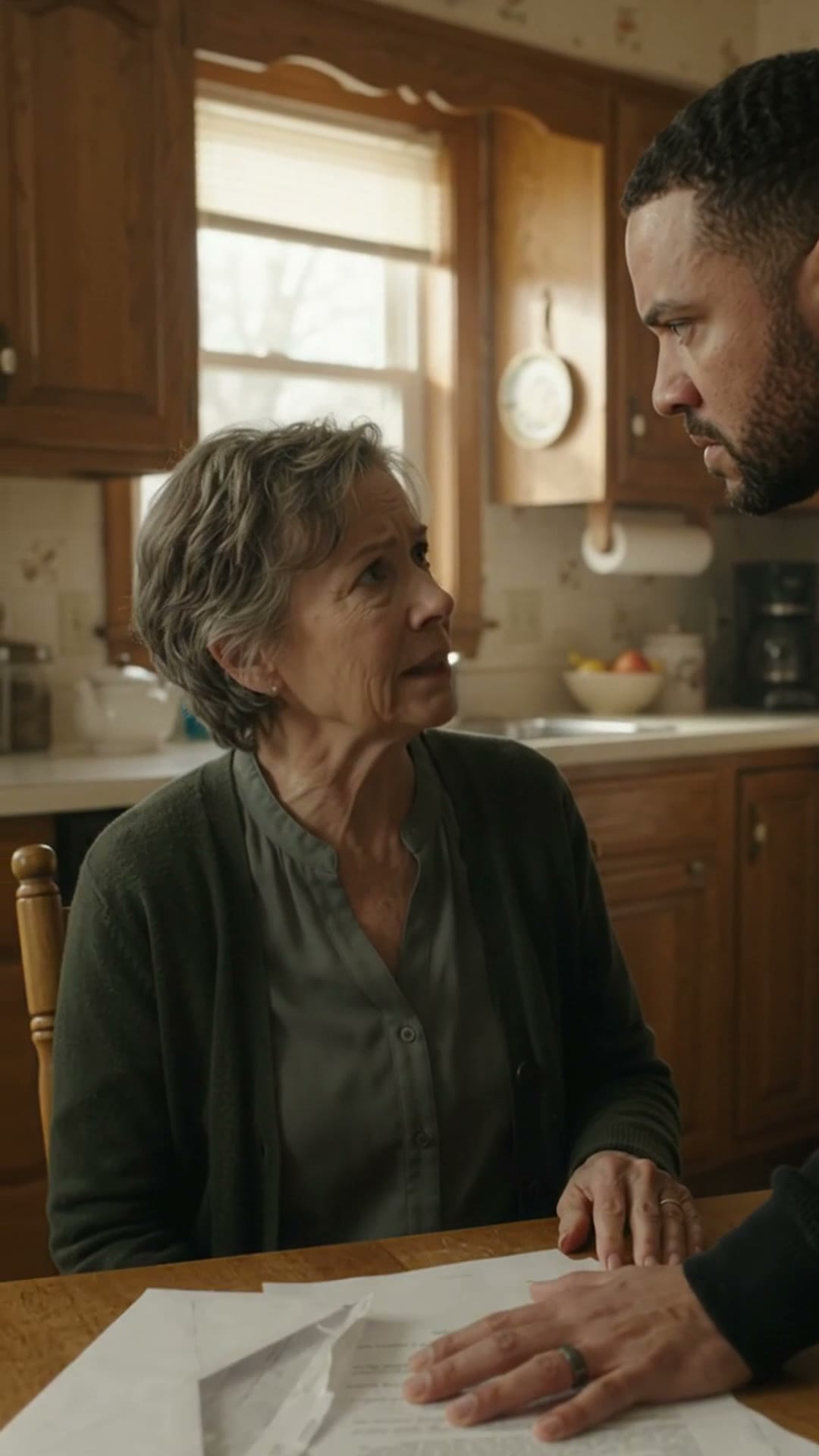
"Sign it, or don't expect me to keep driving you anywhere!"
Daniel slammed the pen onto my kitchen table. I took my hand away from the envelope. My grocery money lay beside it, counted for the week. I had not expected a lift to the shops to become something I could lose by asking a question.
I was seventy-six. I could manage my own bills and appointments, but I no longer drove. My son took me shopping twice a month. I paid for petrol and bought lunch when we stopped. He had said he found a scheme that might help with transport and brought a form for me to sign.
The top page looked more like a covering note than a form. When I asked to see the rest, he put his palm across it. He said I made every favour difficult and that Alice always left him to do the running around.
"You said it was for the transport scheme. Why are you covering that line?"
Alice arrived with the library books I had requested. She saw the pen beside my hand and stopped.
"Daniel, shall we read the page underneath before she signs?"
It was a request for me to guarantee a loan for Daniel's car. The transport scheme existed, but it was not what he had brought for my signature. His own note about it sat on top of the lending paperwork, where it could be mistaken for an explanation of everything below.
Alice did not tell me that one phrase settled every legal consequence. She said I should read the whole document and obtain independent advice if I was considering it. I was not willing to agree under pressure, and I did not need a lawyer in my kitchen to be allowed to say that.
Daniel said the car was used to help me. It was also his car, used for his work, his shopping and his family. That did not make the time he spent driving me worthless. It did mean I should be asked honestly whether I wanted to take on financial risk, rather than told I was signing up for a service.
He said he could not keep doing everything for free. I reminded him of the petrol money and asked what arrangement he thought would be fair. We could discuss a contribution or fewer journeys. We could not discuss it while a refusal to guarantee his borrowing was being treated as ingratitude.
I did not sign. I put the papers back into their envelope and asked him to take them home. He left without staying for tea. Alice offered to become my regular driver, and I thanked her but did not immediately replace one private dependency with another. We looked at several options, including the actual local service he had mentioned.
Some journeys cost more than a lift with family. Some required planning in advance. I adjusted my budget and asked friends about sharing trips when it suited everyone. It was less convenient, but the arrangements came with a price and timetable I could see, not an obligation that changed in the middle of a conversation.
Daniel visited again a month later. He apologized for disguising the purpose of the papers. I said I was glad to see him, but I would not sign financial documents during a visit. Anything he wanted me to consider could be left for me to read in my own time.
He still drives me occasionally. We agree beforehand, and I am free to use another option without being accused of rejecting him. A useful favour matters. So does the difference between accepting help and agreeing to whatever the helper places beside a pen.
I kept my grocery money beside my shopping list. I could still decide what I wanted for lunch without signing a different promise first.
Would you have accepted another lift after that apology, or kept transport entirely separate from him?