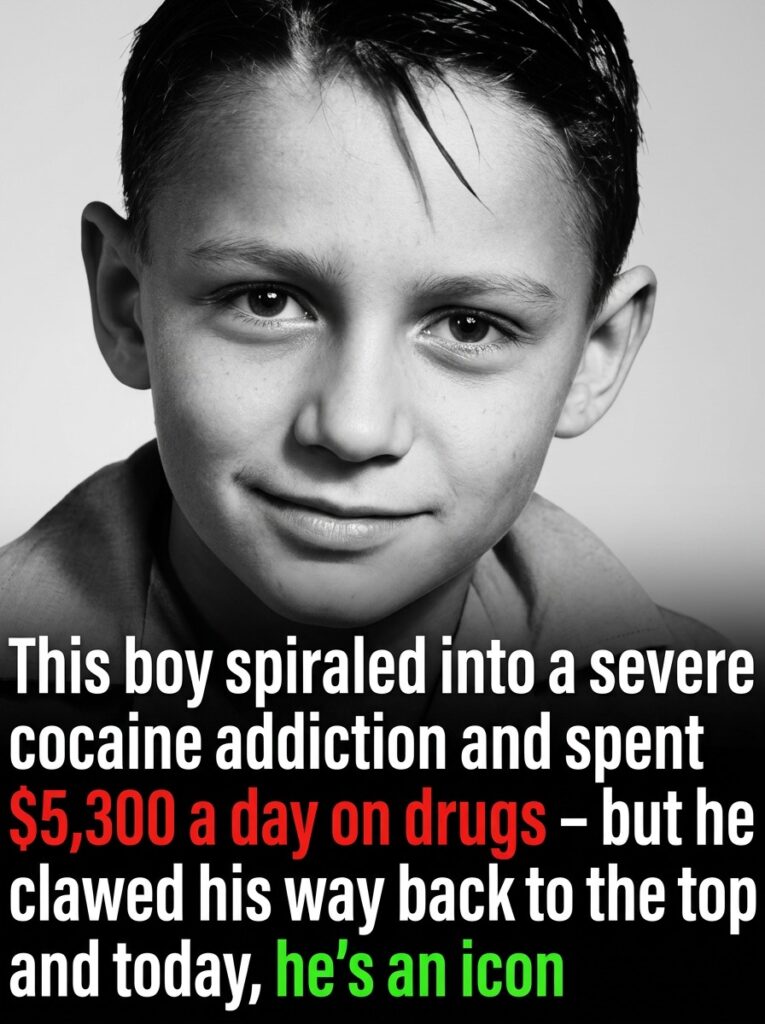
Waylon Jennings was born on June 15, 1937, on the J.W. Bittner farm near Littlefield, Texas. Growing up with a mix of Cherokee, Comanche, Irish, and Black-Dutch heritage, he was a laborer on his family farm before his father moved them into town to open a retail creamery. Although he would eventually become one of the most influential figures in country music history, he initially disliked his own name, once describing it as sounding far too corny.
His musical journey began at age eight when his mother taught him to play guitar, starting with the song Thirty Pieces of Silver. By 16, he left school to pursue music, eventually landing a job as a radio DJ in Lubbock, Texas. This gave him his first real break when he crossed paths with Buddy Holly, who produced his first record and recruited him as a bass player. Jennings was scheduled to be on the flight that crashed in 1959, killing Holly and other legendary musicians; he gave up his seat, a tragedy that haunted him for the rest of his life and briefly drove him to quit music entirely.
After moving to Phoenix in the early 1960s, Jennings developed a unique sound that blended country with rock, folk, and blues. His career shifted gears when songwriter Bobby Bare recommended him to producer Chet Atkins, leading to a contract with RCA. Upon moving to Nashville, he briefly shared a home with Johnny Cash, a period that immersed him in the city’s fast-paced, high-pressure lifestyle. During these years, Jennings became heavily reliant on amphetamines and later cocaine, a habit he candidly described as the artificial energy that kept Nashville running around the clock.
As he grew weary of the polished, formulaic sound expected by the Nashville establishment, Jennings turned toward rebellion. Together with contemporaries like Willie Nelson and Tompall Glaser, he pioneered the outlaw country movement, characterized by a raw, authentic, and independent sound. The 1976 album Wanted: The Outlaws became a landmark in the industry as the first country record to sell a million copies.
Despite his professional success, Jennings’ personal life was plagued by severe substance abuse. At the peak of his addiction, he was spending 1,500 dollars a day on cocaine, which resulted in 2.5 million dollars of debt. He eventually found the strength to quit for good in 1984, motivated largely by his son, Shooter. Following his recovery, Jennings experienced a major career resurgence, producing critically acclaimed work, winning a Grammy for Mammas Don’t Let Your Babies Grow Up to Be Cowboys, and joining the supergroup The Highwaymen with Kris Kristofferson and others.
In his later years, Jennings’ health declined due to the long-term effects of his lifestyle, including heart issues and Type 2 diabetes. By 2000, his diabetes had progressed to the point where he could no longer tour, and in 2001, he underwent the amputation of his left foot. On February 13, 2002, Waylon Jennings passed away in his sleep at his home in Chandler, Arizona, at the age of 64. He left behind a legacy as an architect of modern country music—a man who resisted the status quo to honor the raw honesty of his own life and art.






Join the conversation