Engaging Introduction
Let’s talk about something that most men don’t discuss openly—but really should.
Skin irritation in the groin area is a common condition that can affect people of all ages and genders. Due to the warm, moist, and confined environment of the groin, it is particularly vulnerable to skin problems. Yet, because of embarrassment or simply not knowing what’s normal versus what’s not, many men suffer in silence, scratching when no one’s looking, or hoping the discomfort will just go away on its own.
I remember a conversation with a close friend who had been miserable for weeks. He kept shifting in his seat during our weekly get-togethers, wincing occasionally, but never saying anything. Finally, he pulled me aside. “Dude, something is wrong down there. It itches constantly. The skin looks red and angry. I’m too embarrassed to go to the doctor.”
After some convincing, he did go. And the solution was simpler—and faster—than he ever imagined. A few changes to his routine, a simple over-the-counter cream, and within a week, he was back to normal.
That conversation stuck with me. So many men don’t know what to look for, what’s serious, and what can be handled at home. Understanding the causes, symptoms, and treatments can help maintain hygiene and prevent complications.
This article is for every man who has ever felt that uncomfortable burn, that persistent itch, or that nagging worry. Let’s talk honestly about groin skin irritation—no shame, no judgment, just helpful information.
What Exactly Is Groin Skin Irritation?
Groin skin irritation is exactly what it sounds like: redness, itching, burning, or discomfort in the area where your torso meets your thighs. This includes the upper inner thighs, the scrotum, the pubic area, and sometimes the buttocks.
The groin is a perfect storm for skin problems. It’s:
-
Warm – Body heat gets trapped under clothing
-
Moist – Sweat doesn’t evaporate easily in closed-off areas
-
Friction-prone – Skin rubs against skin (thighs rubbing together) or against clothing
-
Confined – Underwear and pants create a tight, sealed environment
-
Dark – Lack of light allows fungi and bacteria to thrive
It’s no wonder things go wrong down there.
The good news? Most groin irritation is not dangerous. The bad news? Left untreated, it can become increasingly uncomfortable and even lead to secondary infections.
7 Signs That He Is Experiencing Groin Skin Irritation
Let’s get specific. These are the most common symptoms men report. If you’re experiencing several of these, your skin is trying to tell you something.
1. Persistent Itching (The Most Common Sign)
Itching is almost always the first symptom. It might start as a mild, occasional annoyance—like “hmm, that’s a little itchy down there”—and progress to a constant, maddening urge to scratch.
The itching is often worse after exercise, at night, or after wearing tight clothing. Scratching provides temporary relief but usually makes things worse by further irritating the skin.
What it feels like: A crawling, prickly sensation that demands attention. You might find yourself shifting in your seat, crossing and uncrossing your legs, or excusing yourself to the bathroom for a discreet scratch.
2. Redness and Inflammation
Healthy groin skin should be roughly the same color as the rest of your body (maybe slightly darker naturally). Irritated skin turns pink, red, or even deep crimson.
The redness can be patchy—affecting just a small area—or spread across the entire inner thigh and scrotal area. Inflamed skin often feels warm to the touch.
What it looks like: Think of a mild sunburn, but in your groin. The skin might look angry, blotchy, or have a defined border where the irritation ends.
3. A Burning or Stinging Sensation
As irritation progresses, itching can evolve into a hot, burning feeling. This is especially common after sweating, after urinating (if urine touches irritated skin), or after applying certain soaps or laundry detergents.
What it feels like: Like you’ve been wearing wool underwear on a 90-degree day. Or like a mild chemical burn. Some men describe it as “chafing that won’t quit.”
4. Dry, Flaky, or Peeling Skin
When skin becomes chronically irritated, it loses moisture and starts to dry out. You might notice flaky patches that look like dandruff. In more severe cases, the skin can crack or peel.
What it looks like: Tiny white flakes on dark underwear. Rough, scaly patches that feel like sandpaper. Thin, peeling skin that comes off in small shreds.
Important note: Peeling skin can also be a sign of a fungal infection (like jock itch) that requires antifungal treatment, not just moisturizer.
5. Rash or Raised Bumps
Not all groin irritation looks like smooth redness. Sometimes it appears as a raised rash—small bumps, pimples, or even blister-like lesions.
-
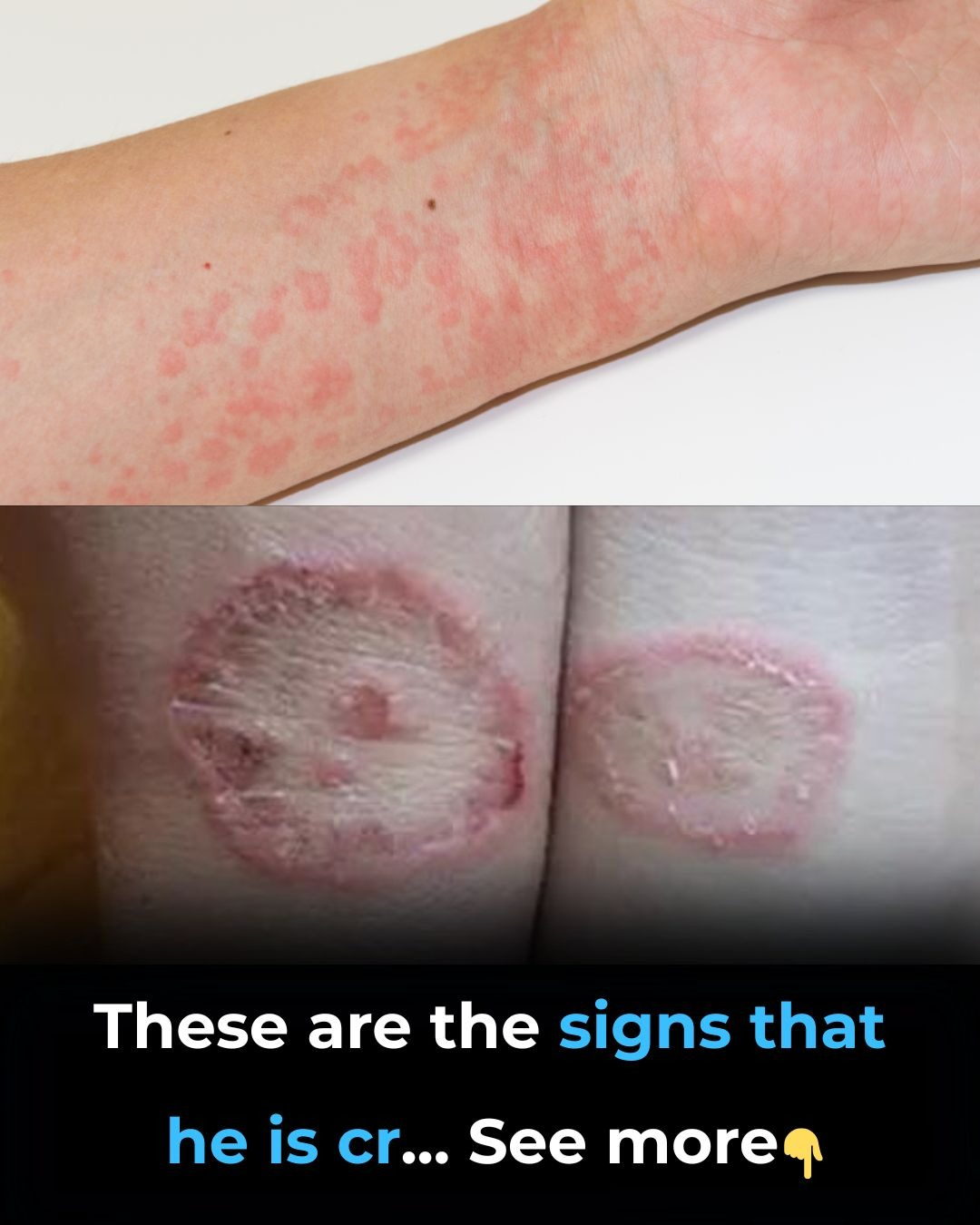
Jock itch (tinea cruris): Often presents as a ring-shaped, scaly rash with a raised, red border.
-
Heat rash: Tiny, pinprick red bumps that occur when sweat ducts become blocked.
-
Contact dermatitis: Bumps that look like poison ivy—small, clustered, and intensely itchy.
What it looks like: Depends on the cause, but any new bumpy texture in the groin area warrants attention.
6. Chafing or Raw Skin (Especially After Exercise)
If you’re a runner, cyclist, or anyone who spends time in athletic shorts, you know the agony of chafing. Friction from skin-on-skin or skin-on-fabric repeatedly rubs away the outer layer of skin, leaving raw, tender, weeping patches.
What it feels like: A stinging, burning sensation that worsens with movement. Showering afterwards can be excruciating. Salt from dried sweat adds to the burn.
7. Discomfort During Normal Activities
When groin irritation is mild, you might only notice it when you think about it. When it’s moderate or severe, it intrudes on your daily life.
-
Walking becomes uncomfortable
-
-
Sitting for long periods (like at a desk or in a car) is miserable
-
Sleeping is disrupted by nighttime itching
-
Sexual activity is painful or unappealing
This is the sign that means it’s time to stop ignoring the problem and start addressing it.
What Causes Groin Skin Irritation in Men?
Let’s play detective. Different causes require different treatments.
Cause Typical Symptoms Common Triggers Jock itch (fungal) Ring-shaped rash, intense itching, scaly border, spreads from groin down thighs Sweating, tight underwear, sharing towels, gym equipment Chafing Raw, red, tender patches; stings with movement Running, cycling, obesity (skin rubbing), rough seams in clothing Contact dermatitis Red, itchy, sometimes blistered rash; appears 12–48 hours after exposure New soap, laundry detergent, fabric softener, body powder, spermicide Heat rash Tiny red bumps, prickly sensation Hot humid weather, heavy sweating, non-breathable clothing Intertrigo Raw, red, macerated (wet) skin where skin folds rub together Moisture trapped in skin folds, obesity, diabetes Eczema or psoriasis Chronic dry, scaly, itchy patches; may appear elsewhere on body Stress, genetics, dry weather How to Address Groin Skin Irritation (Step-by-Step)
Most groin irritation can be managed at home with simple changes. Here’s what actually works.
Step 1: Identify and Remove the Irritant
Stop doing whatever is causing the problem.
-
New soap? Switch back to your old one or use a gentle, fragrance-free cleanser (Cetaphil, CeraVe, or Dove Sensitive).
-
New laundry detergent? Switch to a “free and clear” hypoallergenic option. Skip fabric softener and dryer sheets entirely.
-
Tight clothing? Switch to loose-fitting cotton boxers and breathable pants (not polyester or nylon).
-
Friction from exercise? Use a anti-chafe balm (Body Glide or petroleum jelly) before physical activity.
Step 2: Keep the Area Clean and Dry
This is the single most effective thing you can do.
-
Shower daily – Use lukewarm water (hot water worsens irritation). Gently pat dry—don’t rub.
-
Dry thoroughly – Use a clean towel. Consider using a hairdryer on the cool setting to dry completely between showers.
-
Change underwear twice a day – Especially if you sweat. Fresh cotton boxers absorb moisture better than synthetics.
-
Use a moisture-absorbing powder – Cornstarch-based powders (not talc) can reduce friction and keep skin dry.
Step 3: Apply the Right Treatment for Your Cause
This is where men often get it wrong. You have to match the treatment to the cause.
For jock itch (fungal):
-
Over-the-counter antifungal creams: clotrimazole (Lotrimin), miconazole (Micatin), or terbinafine (Lamisil)
-
Apply to the rash AND 1–2 inches beyond the border
-
Use twice daily for 2–4 weeks—even after symptoms improve
-
Severe cases may require prescription oral medication from a doctor
For chafing or contact dermatitis:
-
Hydrocortisone cream (1%, over-the-counter) reduces inflammation and itching
-
Apply twice daily for up to 7 days only (longer use can thin the skin)
-
For severe contact dermatitis, a doctor may prescribe a stronger steroid cream
For heat rash:
-
Get out of the heat. Cool the area with a cold compress.
-
Stop sweating. Use air conditioning or a fan.
-
Calamine lotion can soothe the prickly sensation.
For intertrigo:
-
Keep skin folds separated (use a soft cloth or gauze between folds)
-
Apply zinc oxide cream (diaper rash cream) to protect raw skin
-
Lose weight if obesity is a contributing factor
Step 4: Change Your Daily Habits
Long-term prevention is easier than repeated treatment.
-
Wear loose, breathable fabrics – Cotton, bamboo, or moisture-wicking athletic fabrics (but change out of sweaty gear immediately after exercise).
-


