Whoa, this is news to me!😮Dive into the comments👇
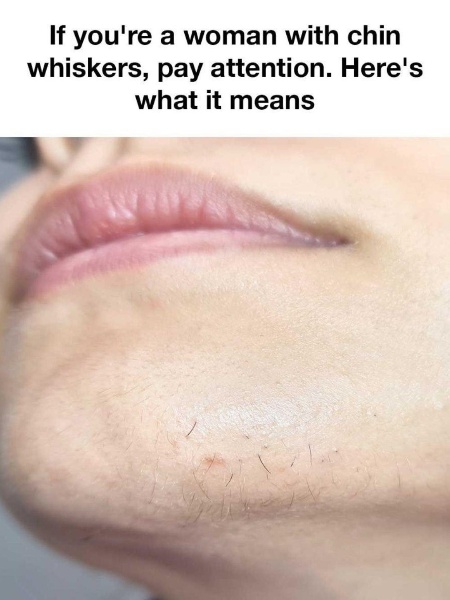
What Chin Hairs Could Be Telling You About Your Health
You’re looking in the mirror when you see it – another thick, dark hair growing on your chin. You pluck it (again), wondering why these hairs keep appearing, especially if you’ve never had this problem before. While a stray chin hair is usually nothing to worry about, sudden or noticeable increases in facial hair, especially around the jawline and chin, can sometimes be more than just a cosmetic issue. They could be a subtle sign of an underlying hormonal shift or health change that’s worth paying attention to. Let’s explore what those stubborn chin hairs might be saying and when it’s time to listen.
1. Hormonal Imbalance: The Most Likely Cause
Chin hairs often show up because of changes in hormone levels, specifically an increase in androgens. These are often called “male hormones,” but they’re naturally present in all women. When androgen levels rise, even slightly, they can stimulate hair follicles in areas usually associated with male-pattern hair growth, like the chin, neck, and upper lip.
Common Reasons for Hormonal Changes:
– Menopause or perimenopause
– Polycystic Ovary Syndrome (PCOS)
– Thyroid problems
– Sudden weight gain or loss
– Changes in birth control methods
These changes may also affect other parts of your body, including your skin, menstrual cycle, and mood. Chin hairs might just be one part of a bigger picture.
2. Polycystic Ovary Syndrome (PCOS)
One of the most common causes of increased facial hair in women is Polycystic Ovary Syndrome (PCOS), a hormonal disorder that affects up to 10% of women of reproductive age. Besides hirsutism (excessive hair growth), PCOS may cause:
– Irregular or missed periods
– Acne or oily skin
– Weight gain, especially around the midsection
– Difficulty losing weight
– Hair thinning on the scalp
– Trouble getting pregnant
If you’re experiencing any combination of these symptoms, it’s a good idea to talk to your doctor about blood tests to check your hormone levels, including testosterone, insulin, and thyroid markers.
3. Thyroid Problems
Your thyroid gland plays a key role in regulating your metabolism. When it’s out of balance, it can affect your entire body, including your hair growth patterns. Both hypothyroidism (underactive thyroid) and hyperthyroidism (overactive thyroid) have been linked to changes in hair texture and where it grows. While hypothyroidism often leads to overall hair thinning, some women experience unexpected coarse hair growth in unusual places, including the chin.
Action Step: If you’re noticing other symptoms like fatigue, weight changes, dry skin, or mood swings, consider asking your doctor for a full thyroid panel.
4. Aging and Menopause
As women approach perimenopause and menopause, estrogen levels go down, and the relative balance of androgens may increase. This can lead to subtle but noticeable changes in where and how hair grows. Some women report:
– More frequent chin or neck hairs
– Coarser textures
– Slower hair loss on the head
– Increased body hair in general
This is a normal part of aging for many women. However, if the changes feel sudden or extreme, it’s still worth discussing with your healthcare provider.
5. Medication or Supplement Effects
Certain medications can also influence hair growth by altering hormone levels or stimulating hair follicles directly. These include:
– Steroids (like prednisone)
– Hormone replacement therapy (HRT)
– Some antidepressants
– Supplements containing DHEA or creatine
Even over-the-counter herbal supplements marketed for energy, muscle building, or libido can contain ingredients that affect androgen levels.
Action Step: Review your current medications and supplements with your doctor or pharmacist to see if any could be contributing to new hair growth.
When to See a Doctor
It’s normal to get the occasional chin hair, especially as we age. But if you notice any of the following signs, it might be time to seek medical advice:
– Sudden, rapid increase in facial hair
– Hair growth in multiple male-pattern areas (e.g., chest, back, abdomen)
– Changes in your menstrual cycle
– Persistent acne or scalp hair loss
– Unexplained weight gain or fatigue
A simple blood test can help determine whether hormones like testosterone, insulin, or thyroid-stimulating hormone (TSH) are within normal ranges.
Managing Unwanted Chin Hair
If you’re not concerned about your health but still want to manage unwanted hair, here are some options:
Method | Pros | Cons
—|—|—
Tweezing / Plucking | Safe, inexpensive | Time-consuming; risk of irritation
Waxing | Longer-lasting results | Can cause redness or ingrown hairs
Threading | Precise shaping | May be painful
Laser Hair Removal | Permanent reduction possible | Costly; requires multiple sessions
Electrolysis | FDA-approved permanent removal | Requires skilled technician; may take time
For those dealing with hormonal causes, treating the root issue, whether through lifestyle changes, medication, or supplements, may reduce future hair growth naturally.
Final Thoughts: Pay Attention to Your Body’s Signals
Our bodies are constantly communicating with us, sometimes through symptoms we overlook, like a few extra chin hairs. While most of the time, these hairs are harmless and simply a part of life, they can occasionally serve as early indicators of something deeper going on inside your body. Paying attention to these small changes and seeking professional guidance when needed can make a big difference in long-term health and well-being. So next time you reach for the tweezers, pause for a moment. Ask yourself: “Is my body trying to tell me something?” Because sometimes, the answer might just be yes.


