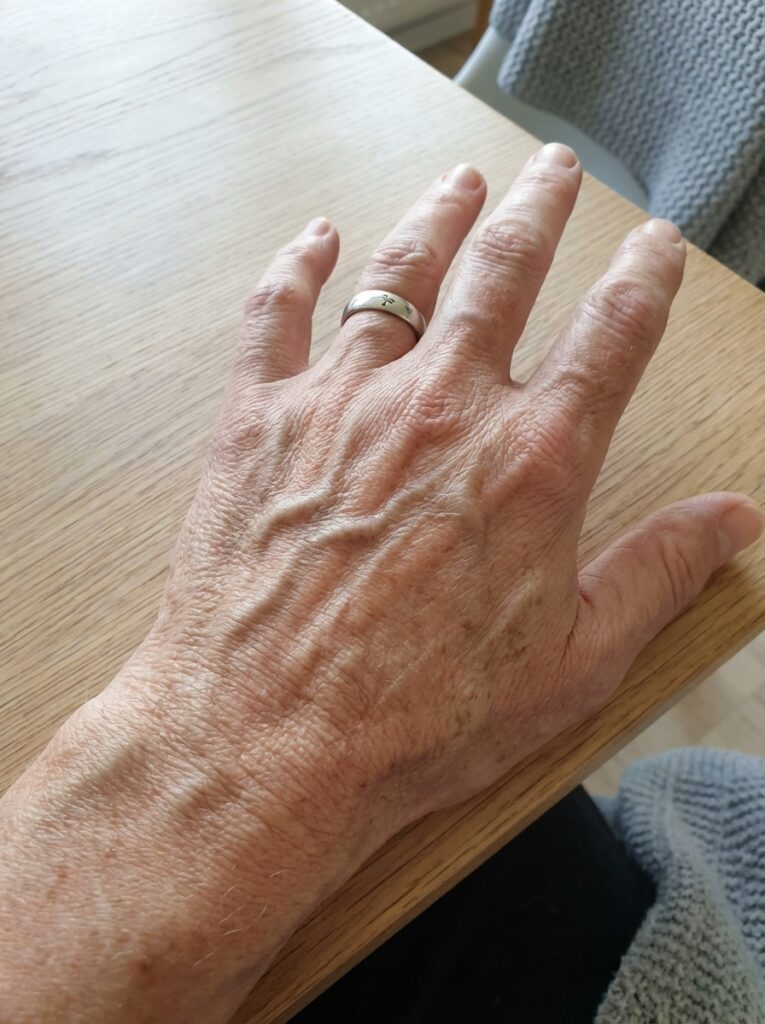
The appearance of visible veins can be surprising, but in many instances, it is a completely natural reaction to changes in your lifestyle or biology. Understanding why this happens helps distinguish between normal physical fluctuations and potential health concerns.
Several factors contribute to veins appearing more prominently. Low body fat is a primary cause; as fat layers in the limbs or torso decrease, the subcutaneous tissue becomes thinner, bringing the veins closer to the surface of the skin. Exercise and weightlifting also play a major role. During physical exertion, increased blood flow causes veins to dilate and swell. Consistent training promotes muscle growth, which can further push veins toward the surface. Environment also matters, as hot weather causes veins to widen as the body attempts to regulate its temperature by cooling itself. Additionally, the natural aging process causes skin to lose elasticity and thin out, revealing the structures beneath, while hormonal shifts during pregnancy, menopause, or hormone therapy can affect circulation and vessel appearance.
While these changes are often benign, there are specific symptoms that warrant closer attention. If you notice a sudden appearance of veins without an obvious trigger—such as weight loss or new exercise habits—it may indicate an underlying circulatory problem. If visible veins are accompanied by pain, swelling, or localized warmth, you should seek medical evaluation, as these could be signs of phlebitis or deep vein thrombosis.
Other indicators of potential health issues include veins that feel hard or rope-like to the touch, suggesting the presence of a clot. Changes in the surrounding skin, such as discoloration, persistent itching, or the development of ulcers, may point toward chronic venous insufficiency, where blood pools inefficiently in the legs. Finally, the sudden appearance of new, web-like, or radiating veins in the chest or abdomen is less common and requires professional investigation, as it can be associated with serious internal conditions.
You should consult a healthcare provider if your veins appeared abruptly, if you experience accompanying symptoms like fatigue or leg cramps, or if the veins themselves are painful or inflamed. If you are concerned about your vascular health, a medical assessment can provide clarity and ensure that any necessary treatment is initiated early. Ultimately, while many visible veins are merely a reflection of your body adapting to your daily life, staying informed about these warning signs is the best way to safeguard your long-term health.



Join the conversation